


Manufacturing
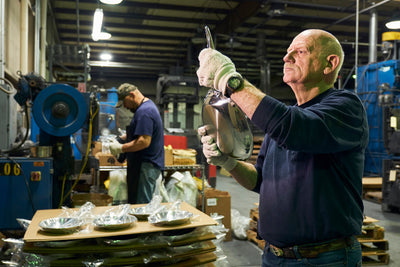
How a pan is built, and why.
 Start here
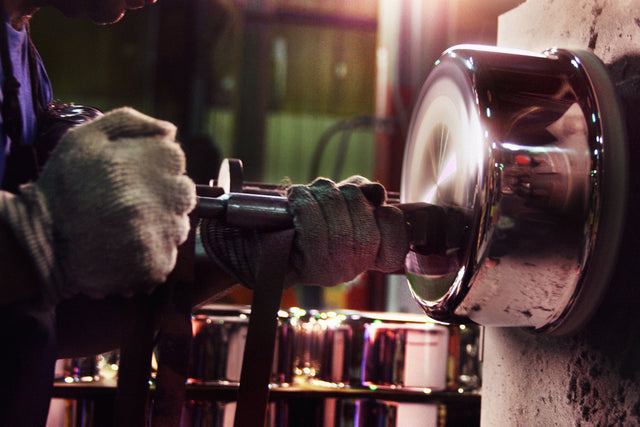
How a pan is builtFrom a 5-ply steel blank to a shiny pan: the ten steps every piece takes through our Clarksville factory.
Start here
How a pan is builtFrom a 5-ply steel blank to a shiny pan: the ten steps every piece takes through our Clarksville factory.
The trouble with "titanium" pans
“Titanium cookware” sounds like the ultimate upgrade. The metallurgy says otherwise — why a titanium-strengthened 316Ti clad surface beats a pure titanium one.
The 5 rules of good cookware
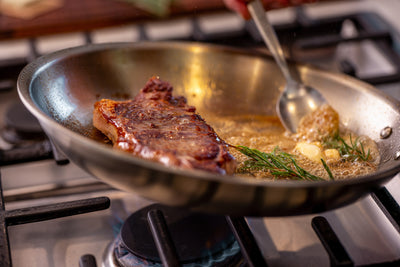
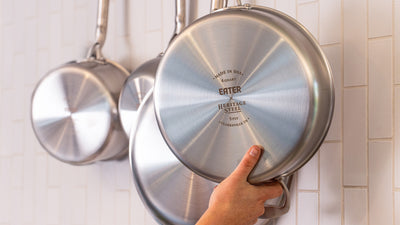
The ideal form of cookware combines even and efficient heating with chemical non-reactivity. Only multiclad stainless steel cookware truly meets all the requirements of good cookware.
Metal leaching, explained
While metal leaching can potentially alter the food you’re cooking and the cookware you’re using, there are no significant health concerns related to metal leaching.
Metallurgy 101
Understanding stainless steel cookware comes down to the metallurgy. The composition and reactivity of different steels determine how they will cook and last over a lifetime.

Why we don't sell nonstick cookware
An estimated $23 billion will be spent on nonstick cookware this year — and none of it is going to us, on purpose. Out of respect for our customers, the environment, and the product itself.
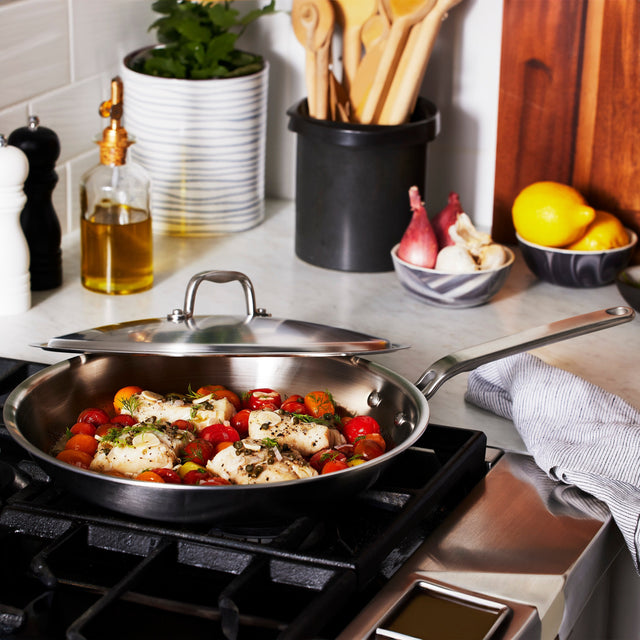
Why we don't make nickel-free cookware
"Nickel-free" cookware is marketed as the healthier choice. Here's the honest science on nickel and stainless steel — and why a higher-nickel alloy like our 316Ti is actually the better, safer-cooking pan.
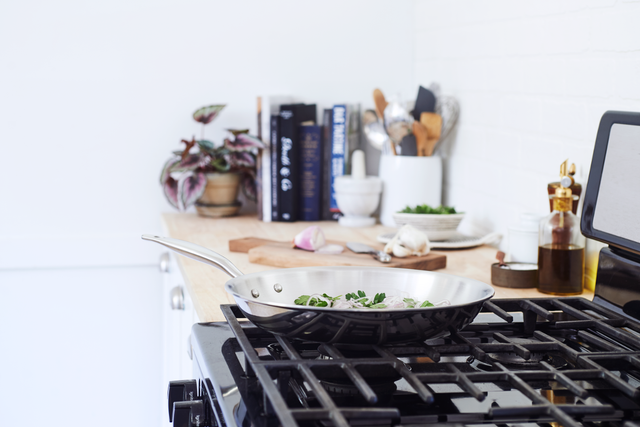
Why 316Ti?
One of the distinguishing features of our Titanium Series cookware is our use of 316Ti stainless steel. So, what exactly is it, and how does it improve the quality of our cookware?
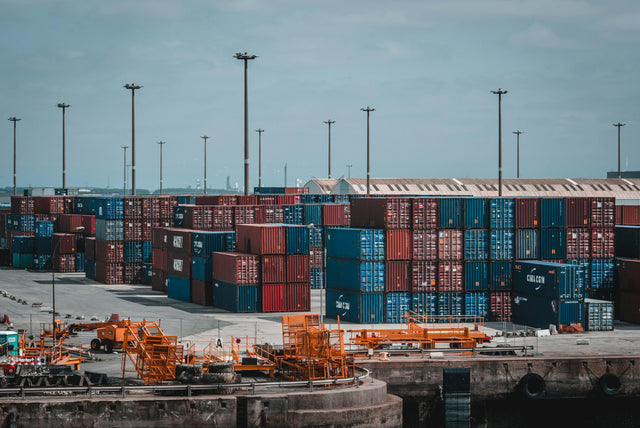
Tariffs and the cookware industry
How the 2025 steel and aluminum tariffs hit a US cookware manufacturer, what we're changing on prices and why — and what the tariffs likely mean for the rest of the industry.